Daniel Lambert

Scientist and engineer building intelligent systems across AI, simulation, aerospace, and defense.

About

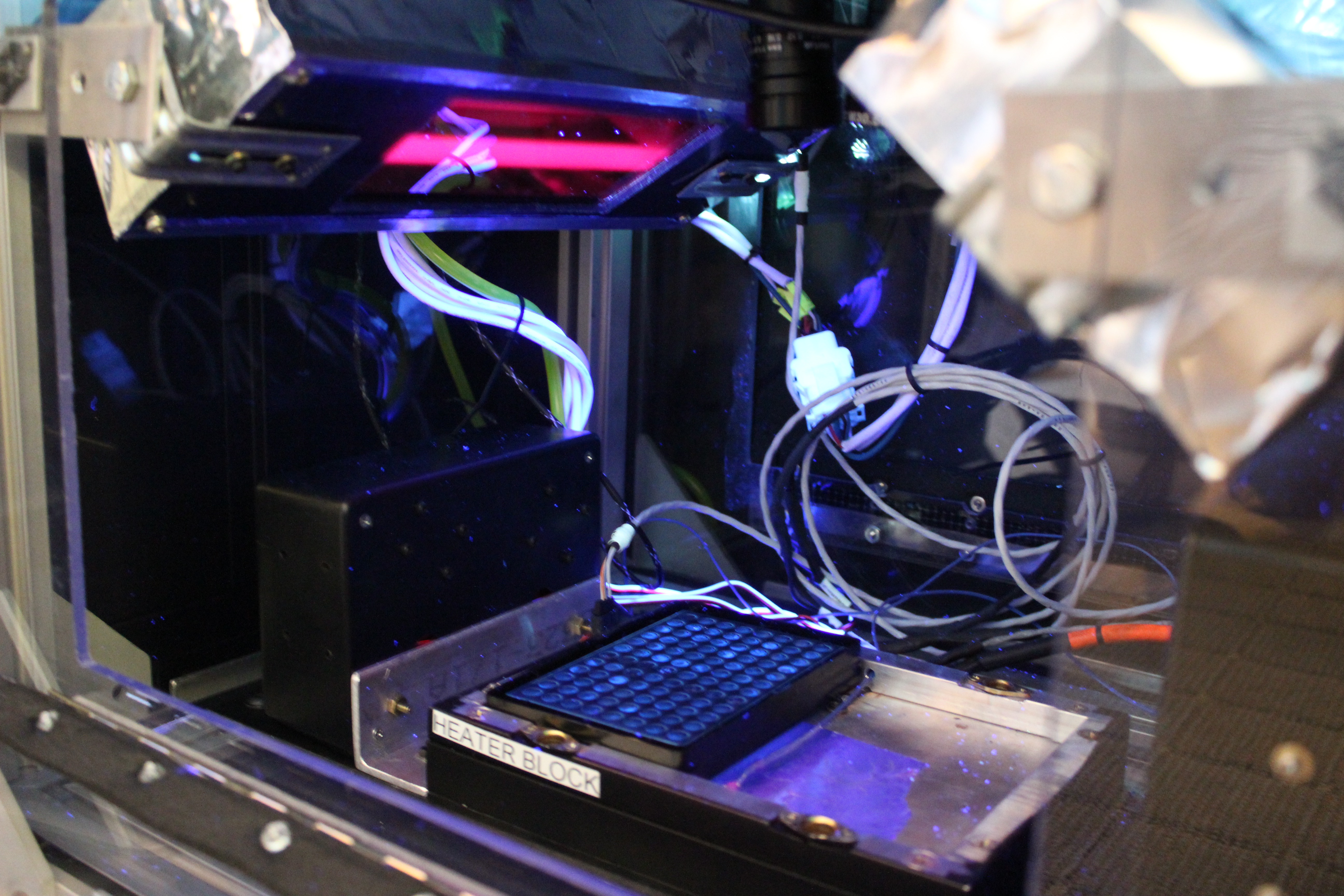
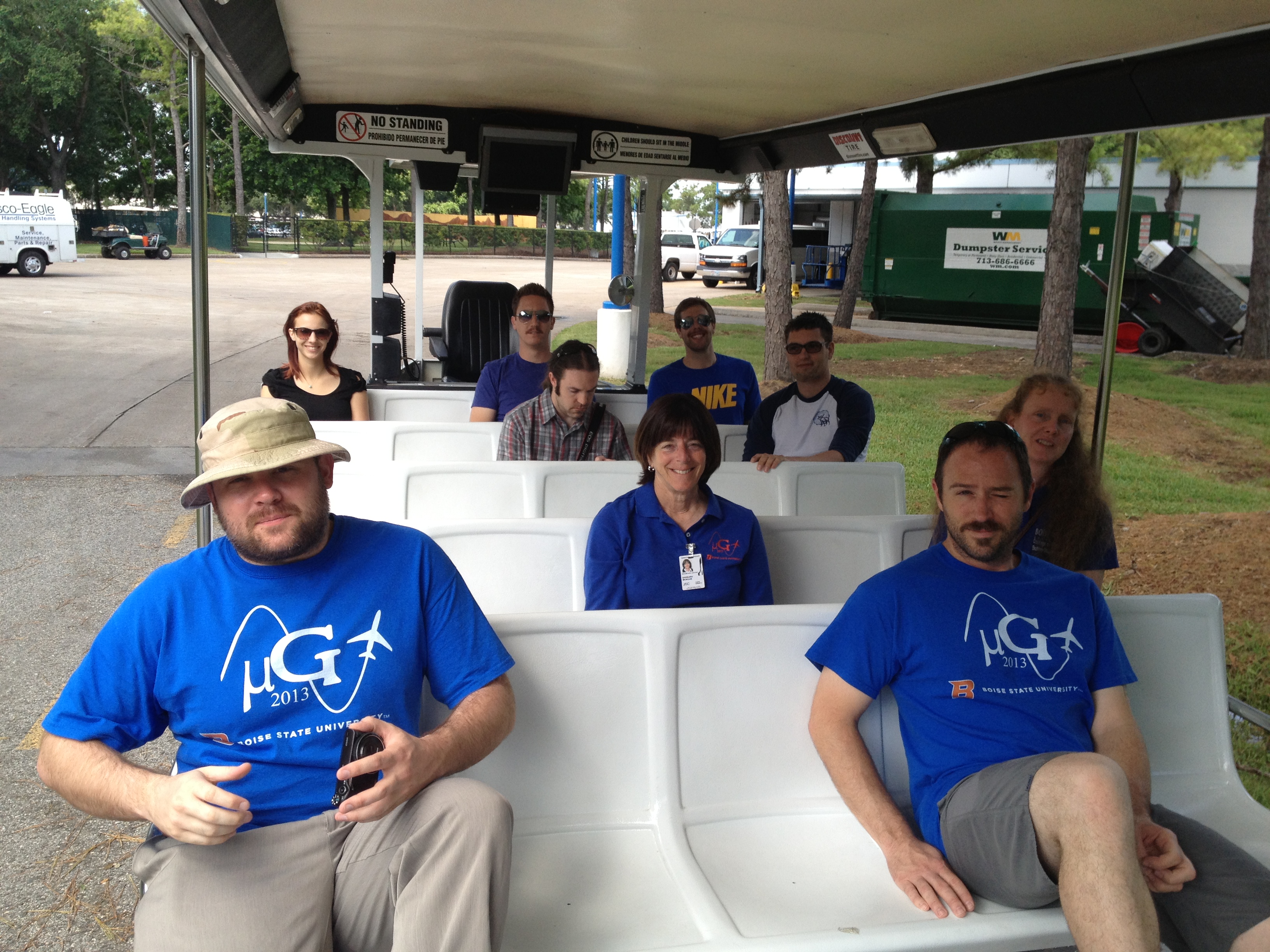
Daniel Lambert is a Chief Scientific Officer and former Principal Engineer at Lumineye. He builds, fine-tunes, optimizes, and deploys transformer-based AI systems across training and inference environments. He also improves prompt and token efficiency and develops AI workflows for production use. His broader engineering experience includes through-wall radar systems for military commands and federal agencies, NASA-funded microgravity research, and augmented-reality displays for spacesuits. He has a five-for-five record on NASA research proposals and most recently built the AI for an independent game featured at Steam Next Fest in 2026.

From the Lab

Updates

Projects, experiments, research, and things learned along the way.

Powdered Stars

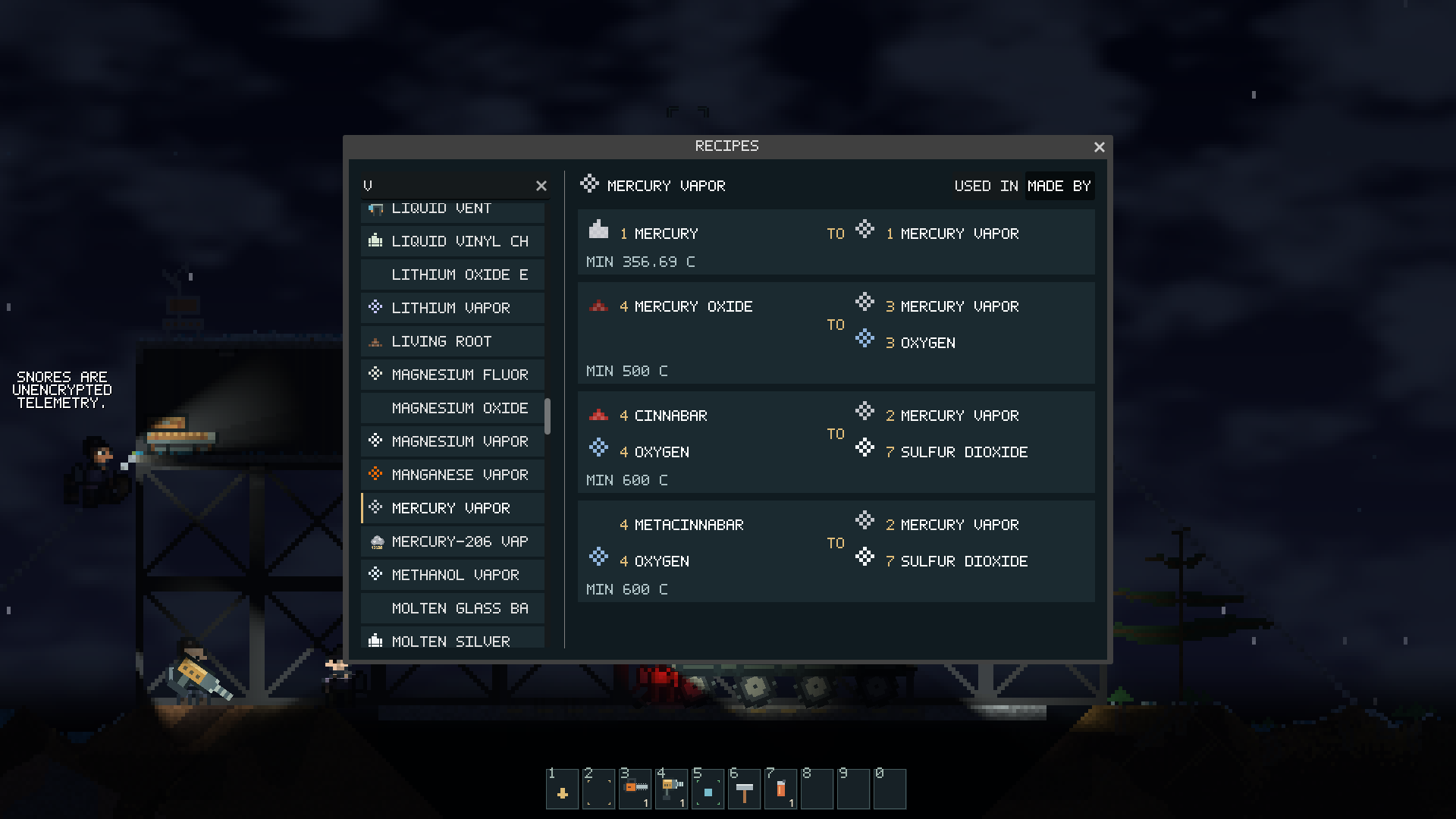
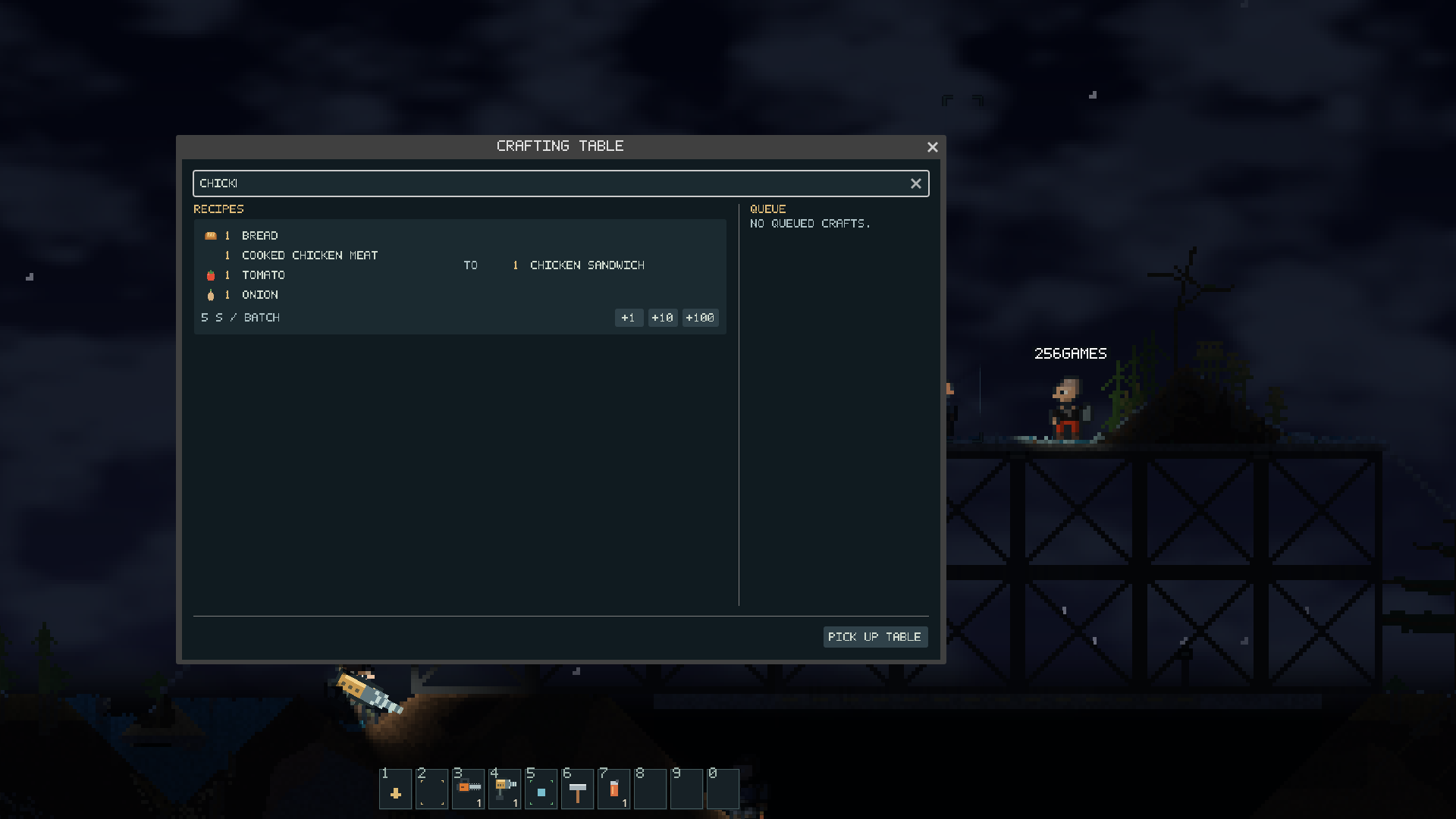
Powdered Stars is a 2D physics sandbox for high-speed impacts, shock waves, and hot, reacting matter. Written in Rust, its particle-hydrodynamics solver and renderer both run on the GPU through wgpu, handling tens of thousands of particles in real time.

Scenes are built from a catalog of roughly 130 metals, alloys, ceramics, liquids, and molecular compounds. The simulation combines shock physics, optional elastic–plastic solid strength, chemistry, heat conduction, and radiation transport, with live inspection and validation tools that make the physics visible as it unfolds.

It is an exploratory sandbox rather than validated engineering software, but it is a remarkably fun way to watch metal flow, armor dent, and shock-heated matter react.

An implosion drives shock waves through hot, reacting matter.
A high-velocity impact deforms material and sends a shock front through the target.

Boise’s backyard astronauts

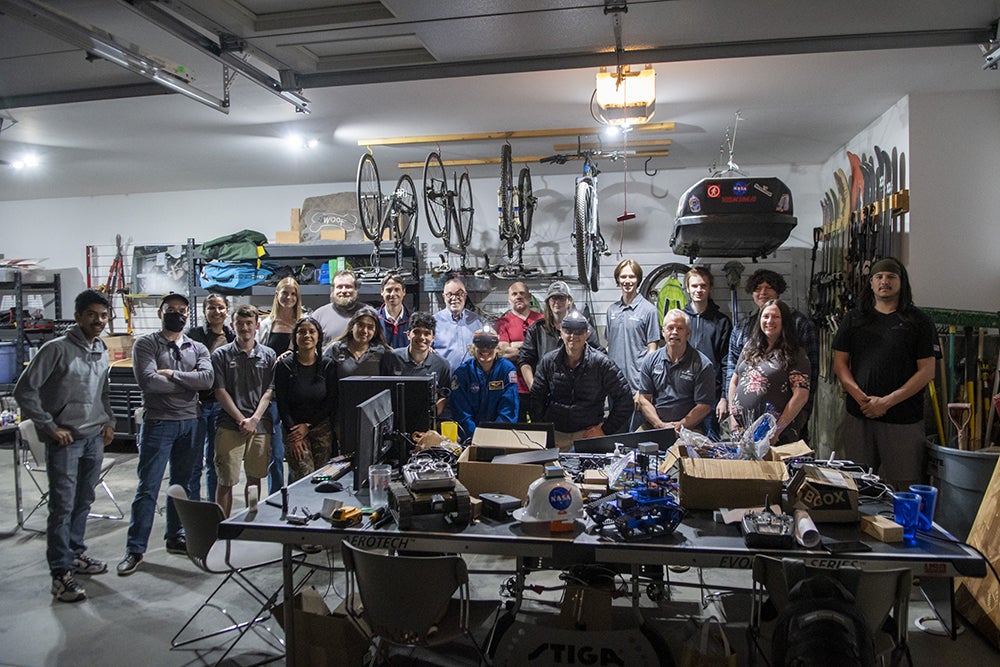
In May 2023, Boise State’s NASA SUITS, Micro-g NExT, and Autonomous Robotic Systems teams brought lunar field testing to Boise. At former astronaut Steve Swanson’s home, the teams tested augmented- and extended-reality displays and miniature rovers with Artemis II commander Reid Wiseman, astronaut Dottie Metcalf-Lindenburger, and NASA flight director Greg Whitney.

Boise State captured the day in “Boise’s backyard astronauts”. I’m in the group photo above, wearing red in the back row.

Principal Engineer at Lumineye

From 2021 to 2024, I served as Principal Engineer at Lumineye, leading engineering for portable through-wall radar systems that detect and track people behind walls. The work supported military commands and federal agencies, including systems developed under contract with Air Force Special Operations Command and other special operations organizations.

The federal SBIR portfolio for Lumineye records four Phase I awards and one Phase II award from the Army and Air Force, totaling more than $1 million. The Phase II effort adapted Lumineye’s commercial sensing technology for AFSOC personnel recovery and humanitarian and disaster-relief missions.

Before I joined, Lumineye had also won the Army’s second xTechSearch competition. Task & Purpose covered the award, the portable radar, and its use of signal analysis to distinguish moving and breathing people through walls.

Augmented Reality Space Informatics System

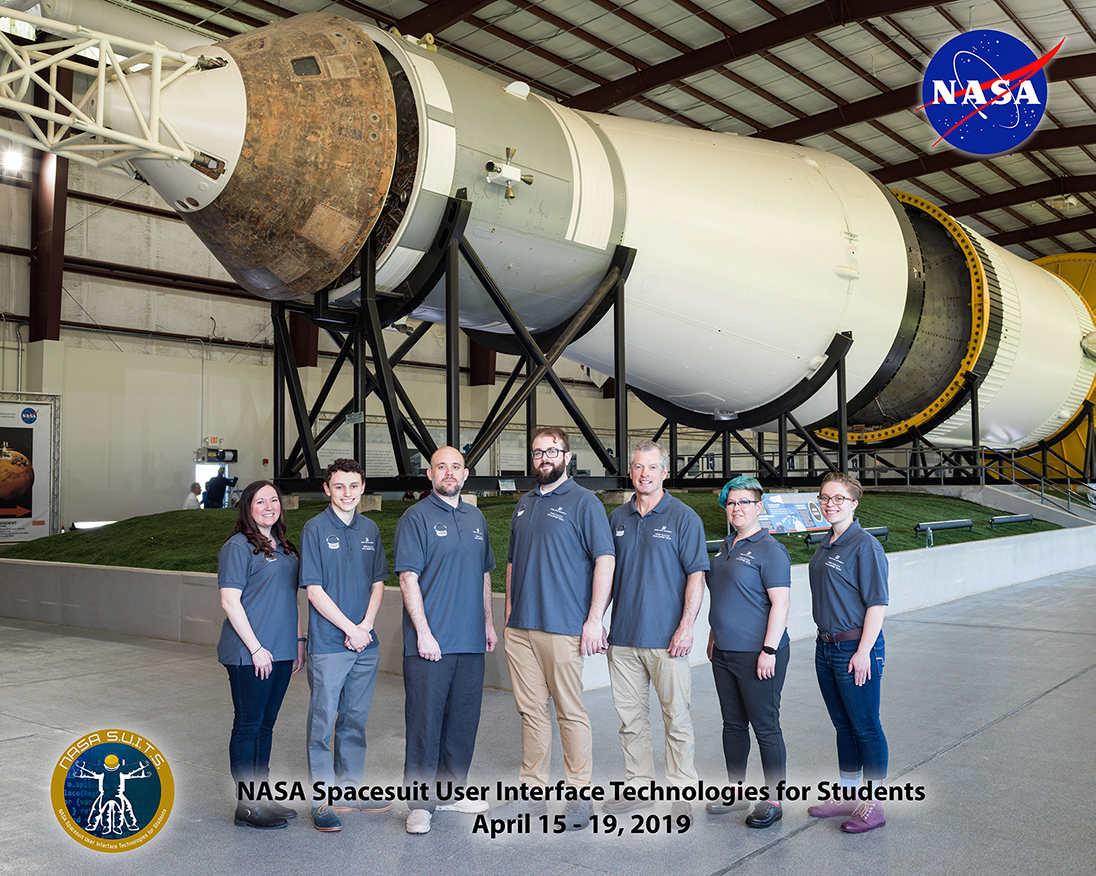
The NASA SUITS work brought spatial mapping, sensor data, networking, and telestration into a heads-up display for spacesuit operations. I built a system that let people on Earth walk through a real-time spatial reconstruction of an astronaut’s environment on the Moon. They could place annotations within that environment, and the astronaut could see those annotations in the corresponding physical locations. The project was developed in Boise and demonstrated at Johnson Space Center.

KC-10A Flying Crew Chief

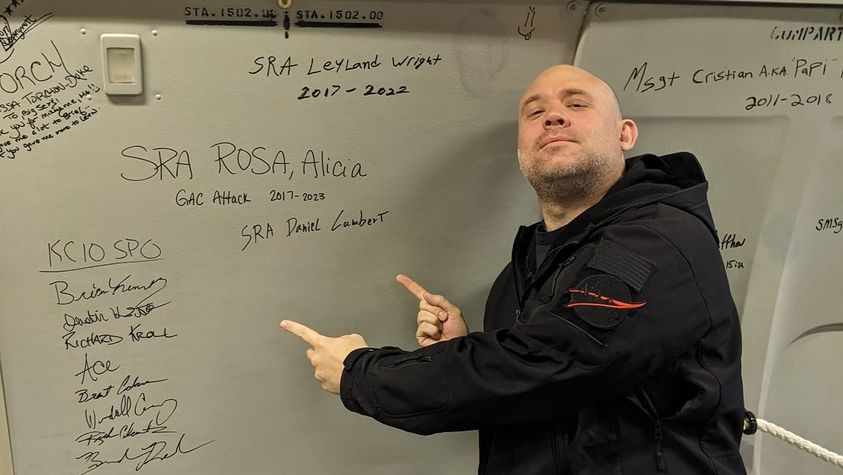
From 2003 to 2007, I served in the United States Air Force at McGuire Air Force Base as a KC-10A Flying Crew Chief. I was responsible for the safety of flight and maintenance of my aircraft at home and abroad, supervising specialists during maintenance and training new aircraft-maintenance professionals.

The work took me around the world in support of Operation Enduring Freedom, Operation Iraqi Freedom, and operations in the Horn of Africa. I was selected as a Flying Crew Chief because of my troubleshooting ability, a role that demanded calm diagnosis, exacting work, and ownership of the aircraft wherever it landed.

Archive The Meh section

Earlier games, generative systems, robotics, and technical experiments.

Connect